Ewing Journal

Kenya · Policy Brief

Kenya’s Digital Gateway

Securing capacity through real route diversity: subsea cables, landing concentration, data centers, cybersecurity and continuity planning.

Research and visual reporting by Gregory L. Ewing

The report

Connectivity is only as strong as the system behind it.

Kenya has become one of East Africa’s most important digital gateways. That position creates opportunity, but capacity alone is not resilience. A durable gateway needs geographically diverse routes, operational redundancy and policy designed around continuity when infrastructure fails.

The central question is not whether Kenya is connected. It is whether the systems carrying that connectivity can absorb disruption without turning a cable cut, landing-station problem, power event or cyber incident into a regional bottleneck.
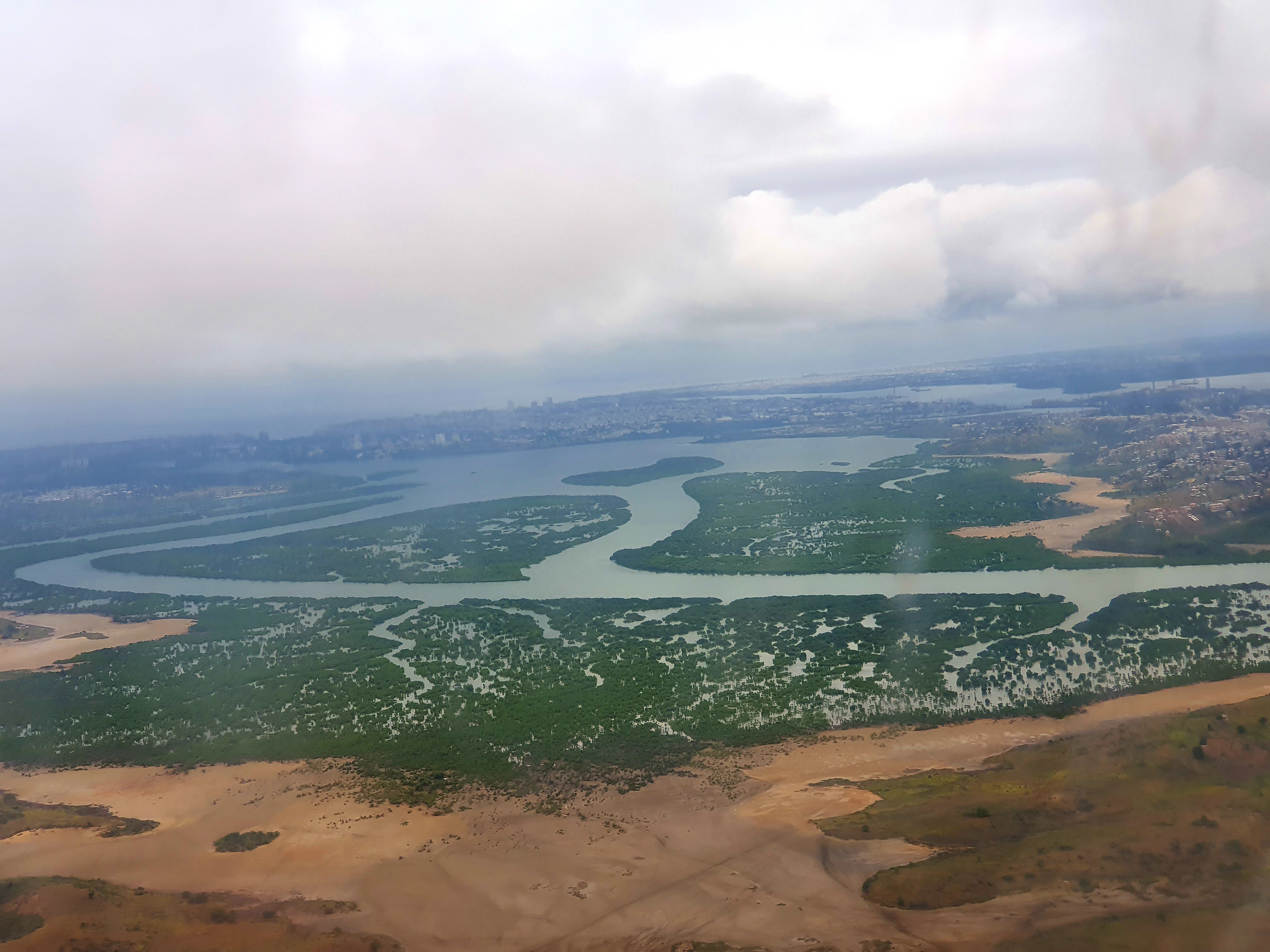
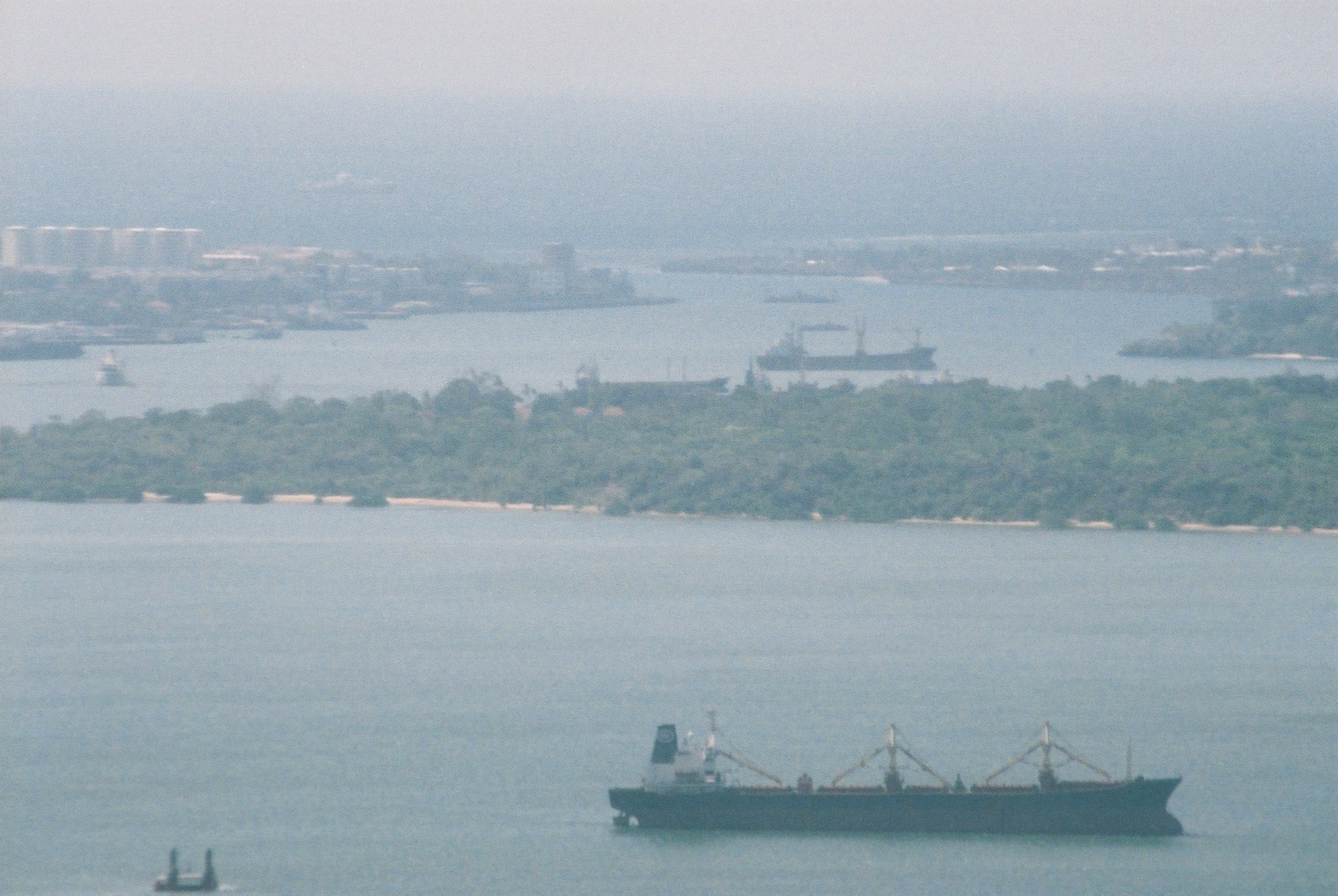
See the place behind the network.

Mombasa and Tudor Creek from the air
Mombasa and Tudor Creek from the airDrGichuki / Wikimedia Commons, CC BY-SA 4.0
Kilindini Harbour and the Port of Mombasa
Kilindini Harbour and the Port of MombasaAndrew Thomas / Wikimedia Commons, CC BY-SA 2.0

Infrastructure intelligence · Dec. 2025 snapshot

Resilience is a chain, not a cable

6 systemsLit subsea systems reported by Kenya’s regulator
24.2 TbpsEquipped international bandwidth
14.3 TbpsCapacity sold for use inside Kenya
3.0 TbpsTraffic capacity transiting to other countries
97.3%4G population coverage, June 2025

Actual results. Systems listed by the Communications Authority: SEACOM, TEAMS, EASSy, LION2, DARE1 and PEACE. Figures are regulatory operator returns and may update on different schedules.

Original field brief video. The written analysis continues below.

At a glance

What resilience looks like.

Route diversityRedundancy must exist physically, not only on a network diagram.
ContinuityOperators need tested failover plans before an outage.
ResiliencePower, landing stations, terrestrial backhaul and cybersecurity form one system.
01 · LandingInternational capacity enters the country.
02 · BackhaulTerrestrial routes move traffic inland.
03 · ExchangeNetworks interconnect and route traffic.
04 · ContinuityAlternate systems keep services operating.

Capacity is only the beginning

Subsea cable landings can make a country look highly connected while still leaving hidden points of concentration. The policy challenge is to distinguish raw capacity from genuine route independence. Multiple cables are most valuable when they do not share the same vulnerable landing areas, terrestrial paths or operational dependencies.

From landing station to user

A subsea cable does not create resilience by itself. Traffic still has to move through landing infrastructure, terrestrial fiber, internet exchange points, data centers, power systems and last-mile networks. A failure at any concentrated layer can weaken the value of redundancy offshore.

A policy agenda built around failure

Resilience planning should assume that individual components will fail. That means mapping shared risks, testing traffic rerouting, coordinating incident response, improving cyber readiness and treating electricity continuity as part of digital infrastructure policy rather than a separate problem.

Demand beneath the headline capacity

The gateway is already carrying regional scale.

The strongest redundancy is physical and operational: routes should separate at sea, at the landing, through terrestrial backhaul, across exchange infrastructure and in power continuity.

45.79MMobile-broadband subscriptionsKenya National Broadband Strategy baseline, June 2025.
2.14MFixed-internet subscriptionsUp from 609,611 in June 2020.
1,207 GbpsKIXP-Mombasa member port capacityInternet Society Pulse, updated August 2026.
Used in Kenya
14.28 Tbps
Regional transit
2.95 Tbps
Other / spare
6.93 Tbps

Ewing Journal calculation from 24.16 Tbps of equipped capacity reported by the Communications Authority of Kenya for October–December 2025. “Other / spare” is the remainder after domestic use and reported transit.

Sources & methodology

Regulatory data, infrastructure reporting and editorial analysis.

Bandwidth and utilization are from the Communications Authority of Kenya’s Q2 2025/26 sector report. Coverage and subscription baselines are from the Kenya National Broadband Strategy 2025–2030. Mombasa exchange capacity is from the Internet Society IXP Tracker. Capacity does not by itself prove geographic route independence; the article’s resilience tests are editorial analysis.