Ewing Journal

Haiti · Opportunity Analysis

Haiti North Coast Resilient Cable

A second northern gateway for Haiti: redundancy, local interconnection and climate-aware subsea infrastructure.

Research and visual reporting by Gregory L. Ewing

The report

Connectivity is only as strong as the system behind it.

Haiti’s connectivity challenge is not just a question of bandwidth. It is a question of where critical infrastructure lands, how traffic can reroute during disruption and whether the system is designed for the environmental and operational risks surrounding it.

The proposed northern route reframes infrastructure as resilience: an additional gateway can create value when it is geographically and operationally distinct from existing dependencies.
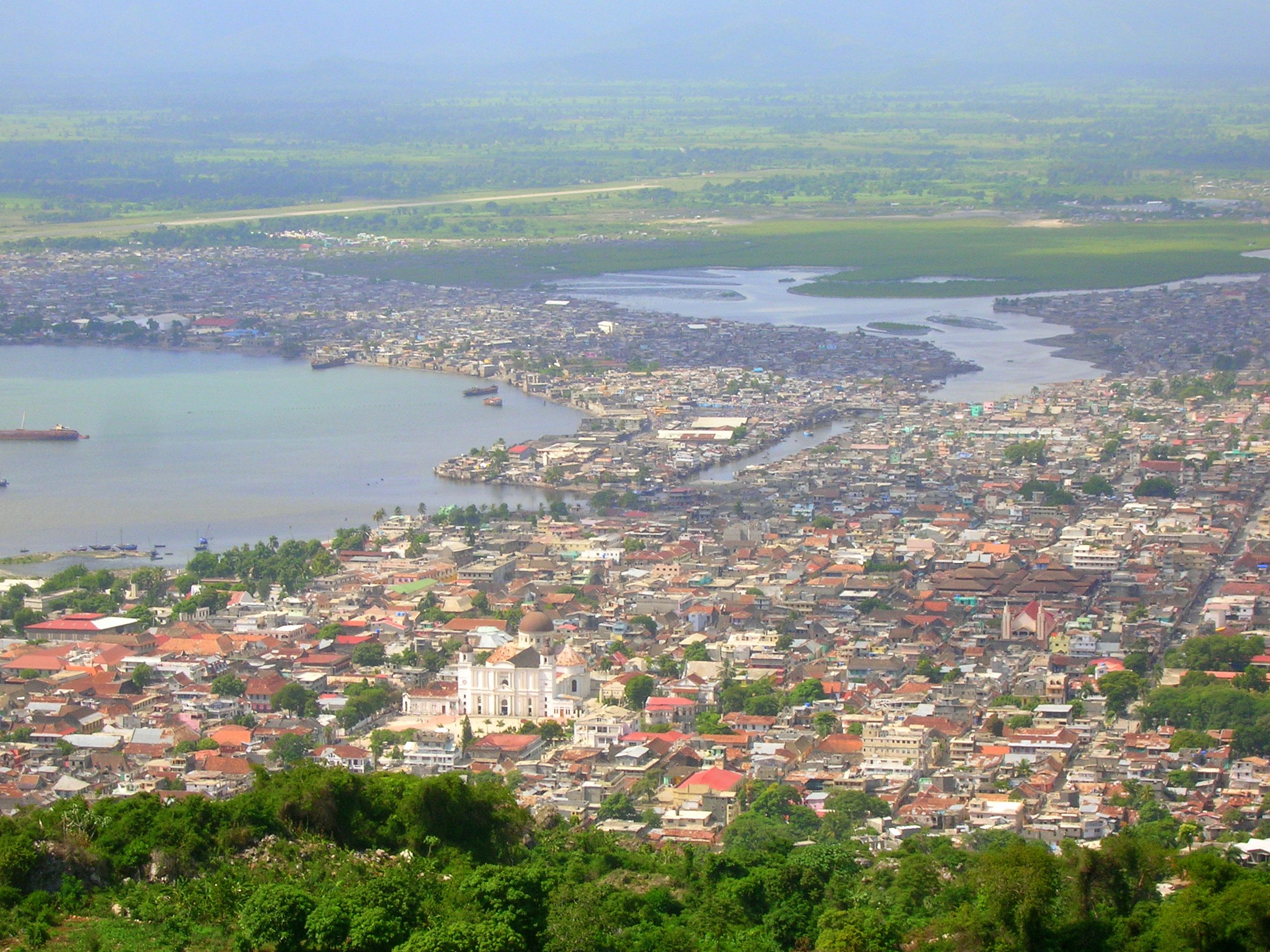
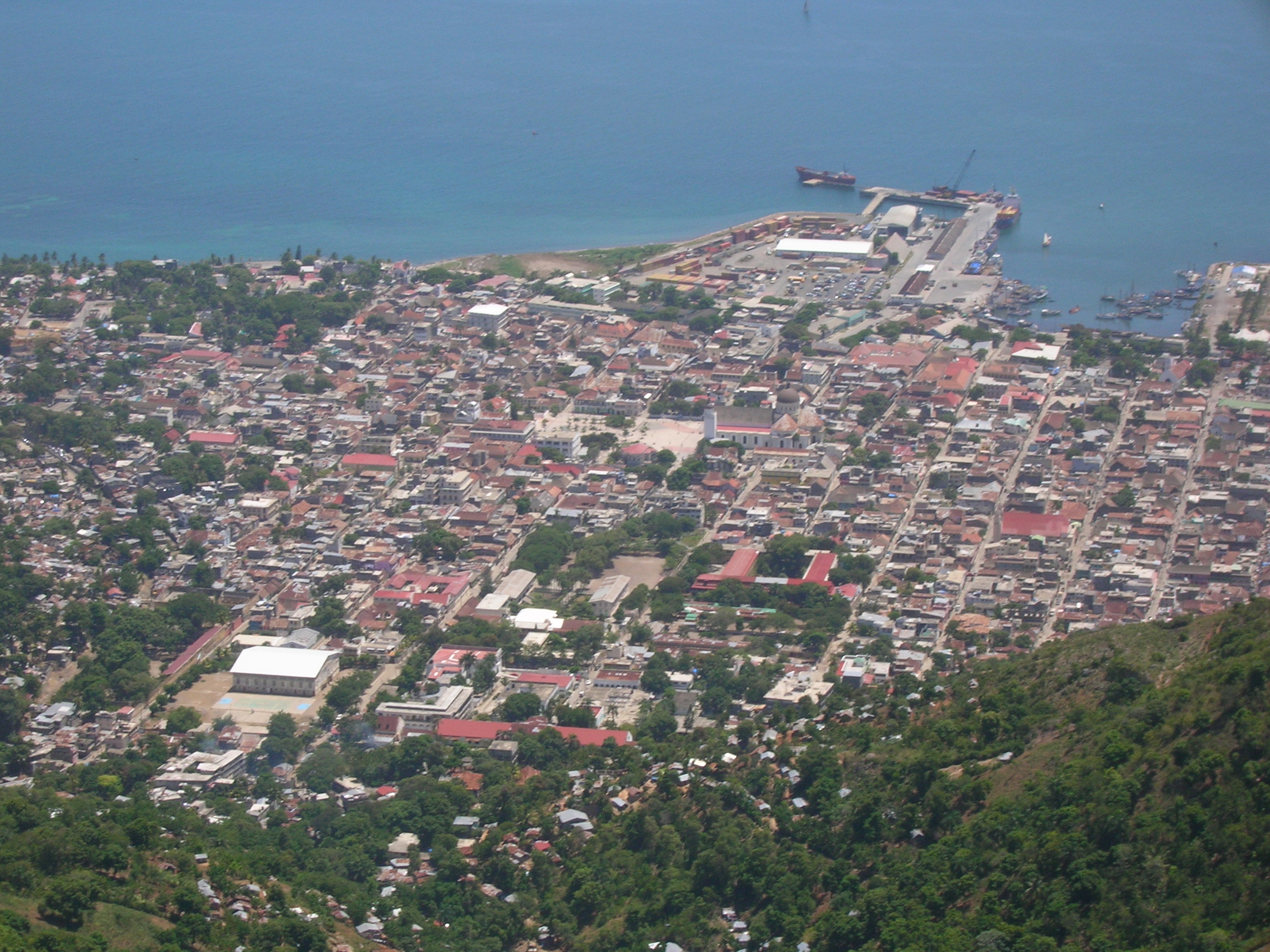
See the place behind the network.

Cap-Haïtien and the northern coastal plain
Cap-Haïtien and the northern coastal plainRémi Kaupp / Wikimedia Commons, CC BY-SA
Cap-Haïtien city centre, harbour and coastline
Cap-Haïtien city centre, harbour and coastlineRémi Kaupp / Wikimedia Commons, CC BY-SA

Visual analysis

The access gap behind the proposal

11.9MPopulation
4.69MInternet users
39.3%Internet penetration
10.1MMobile connections
13.21 MbpsAverage download cited in project

Read the system from left to right: resilience depends on multiple layers working together, not on a single piece of infrastructure.

Original field brief video. The written analysis continues below.

At a glance

What resilience looks like.

North coastA geographically distinct landing strategy can reduce concentration.
Open accessInterconnection rules can broaden the value of new capacity.
Climate awareRoute, landing and power design must account for environmental exposure.
01 · LandingInternational capacity enters the country.
02 · BackhaulTerrestrial routes move traffic inland.
03 · ExchangeNetworks interconnect and route traffic.
04 · ContinuityAlternate systems keep services operating.

Why a second gateway matters

A new landing point has the greatest resilience value when it creates a genuinely different failure domain. Geography matters: a second cable that reproduces the same terrestrial or operational dependencies may add capacity without adding enough protection.

Interconnection determines who benefits

New international capacity becomes more useful when domestic networks can reach it efficiently. Open-access principles, local interconnection and competitive backhaul can help prevent a new landing from becoming an isolated asset.

Designing for the environment

Haiti’s infrastructure planning has to incorporate natural-hazard exposure from the beginning. Marine route selection, landing construction, backup power, repair planning and terrestrial diversity should be evaluated together rather than as separate engineering decisions.

Access & resilience

The proposal starts with an access gap.

The project’s core figures show why redundancy and access belong in the same conversation: a large population, heavy mobile use and comparatively limited internet penetration.

11.9MPopulationProject figure.
4.69MInternet usersProject figure.
39.3%Internet penetrationProject figure.
Mobile connections
10.1M
Internet users
39.3%
Avg. download
13.21 Mbps

Figures are those cited in the original Haiti project; the bar lengths are visual encodings of the labeled values, not cross-country rankings.

Editorial note

Research, policy and visual storytelling.

This Ewing Journal edition is built from Gregory L. Ewing’s infrastructure policy analysis and multimedia reporting. Figures and claims should be read with the source material presented in the original project and video.