Ewing Journal

The Gambia · Research Presentation

Gambia’s Future Is Now

From first connection to lasting resilience: a multimedia examination of cable dependence, mobile-first access, local exchange and the case for redundancy.

Research and visual reporting by Gregory L. Ewing

Atlantic coastline, The Gambia

The report

Connectivity is only as strong as the system behind it.

The Gambia’s digital future is shaped by a simple infrastructure reality: connection is powerful, but dependence on too few critical paths creates national risk. The country’s experience shows why the next stage of connectivity has to focus on redundancy, local traffic exchange and operational resilience.

The story moves beyond whether people can get online and asks what happens when the infrastructure beneath everyday digital life is interrupted.
See the place behind the network.

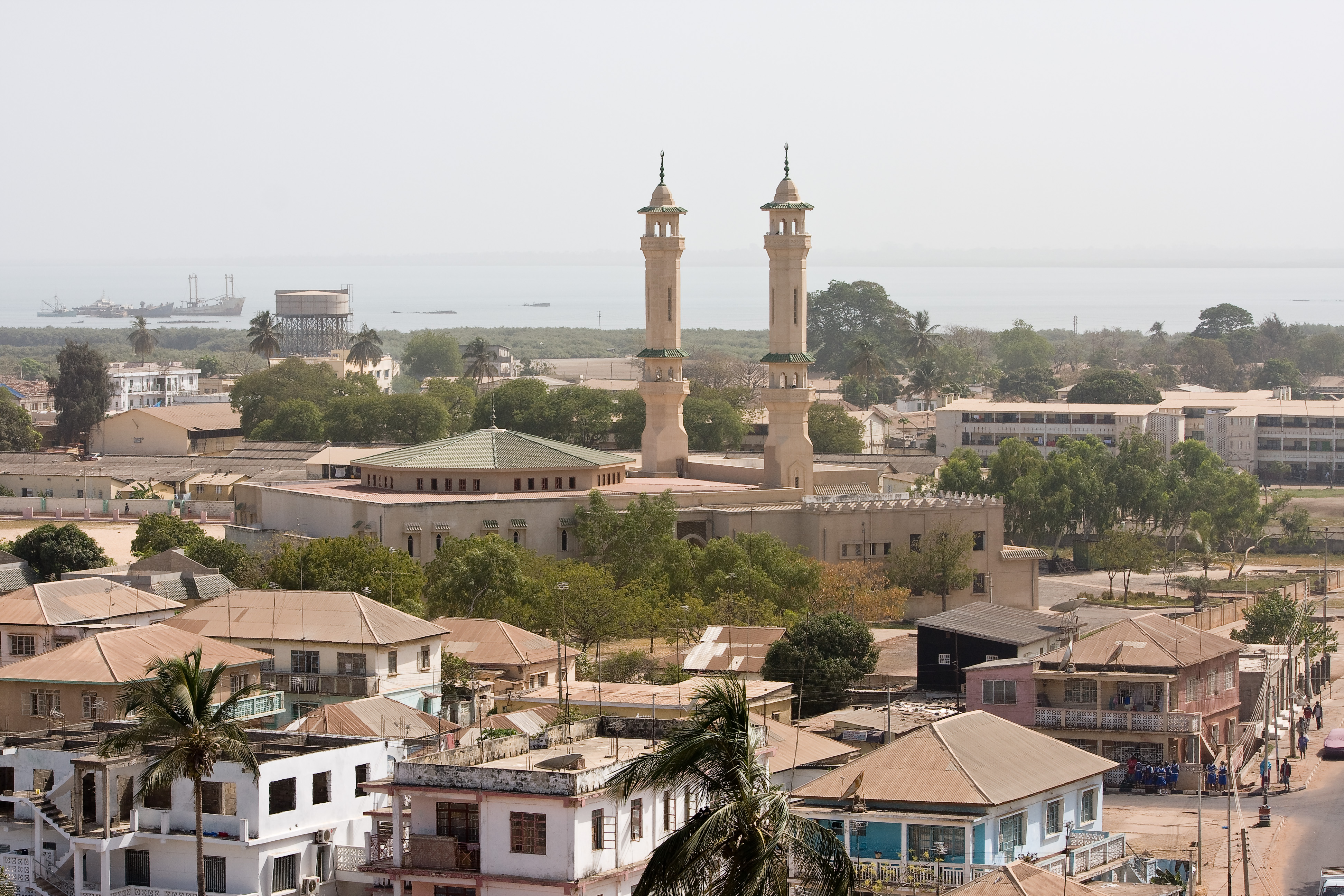
Banjul and the King Fahad Mosque
Banjul and the King Fahad MosqueIkiwaner / Wikimedia Commons, CC BY-SA 3.0
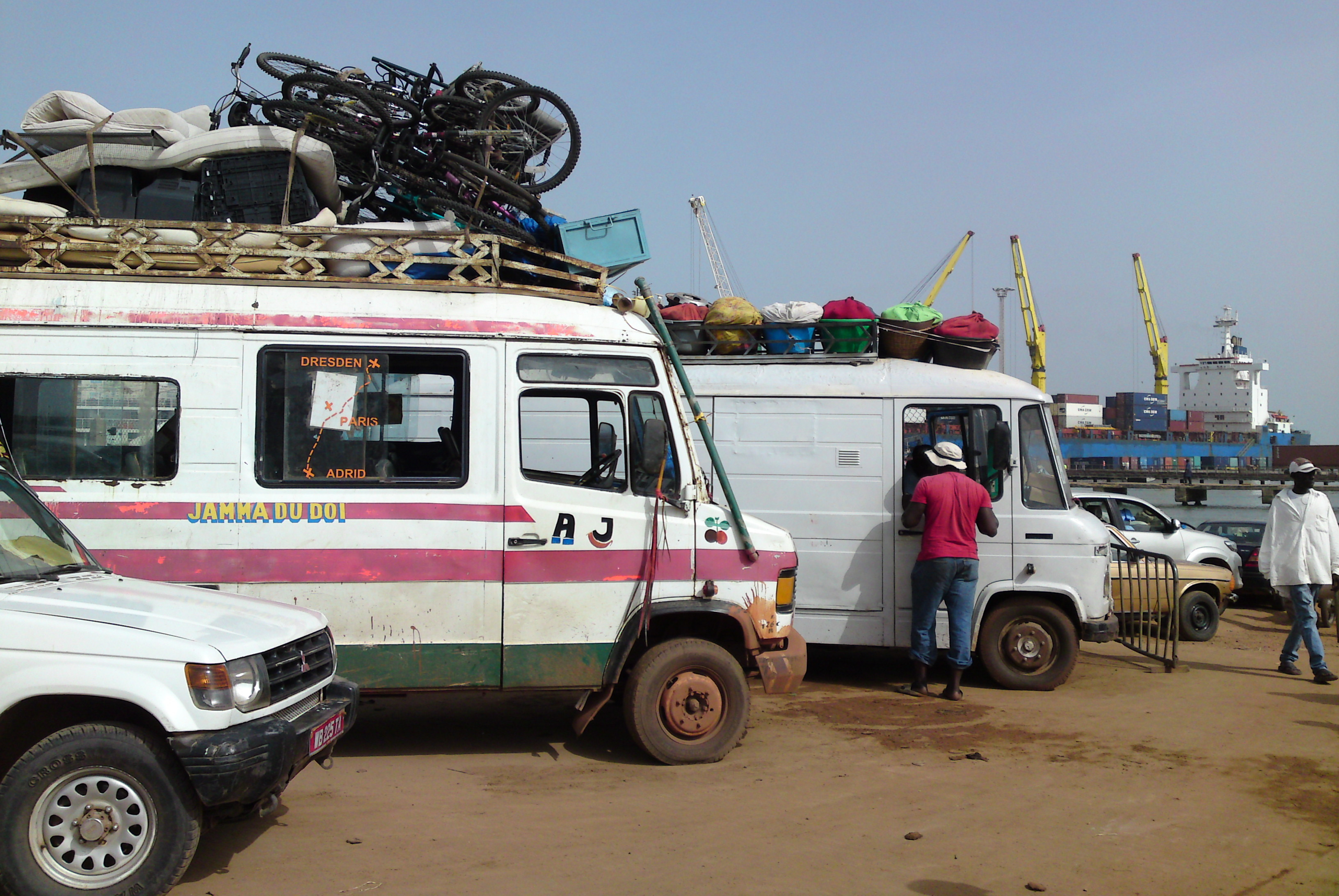
Banjul harbour and working waterfront
Banjul harbour and working waterfrontMaarten van der Bent / Wikimedia Commons, CC BY-SA 2.0

Visual analysis

From connection to redundancy

InternationalSubsea access
DomesticBackhaul resilience
ExchangeKeep local traffic local
PowerOperational continuity
ResponseRepair & coordination

Read the system from left to right: resilience depends on multiple layers working together, not on a single piece of infrastructure.

Original field brief video. The written analysis continues below. If ocean ambience is enabled, it automatically yields to this video and returns only after playback stops.

At a glance

What resilience looks like.

ACEInternational subsea connectivity transformed the country’s access.
2018 cutA major cable disruption demonstrated the cost of dependence.
Next phaseRedundancy, local exchange and resilient operations reduce exposure.
01 · LandingInternational capacity enters the country.
02 · BackhaulTerrestrial routes move traffic inland.
03 · ExchangeNetworks interconnect and route traffic.
04 · ContinuityAlternate systems keep services operating.

A connection that changed the equation

International cable access expanded the possibilities for faster and more affordable connectivity. But a system can become more important to daily life faster than it becomes resilient. That creates a gap between digital adoption and infrastructure protection.

The lesson of interruption

The 2018 cable disruption is useful as a resilience case study because it makes dependency visible. When a critical international route is interrupted, the effects can travel quickly through businesses, public services, communications and the broader economy.

Building the second layer

The next infrastructure chapter is not simply another connection. It is a network designed to fail more gracefully: alternate international paths, stronger domestic backhaul, more local exchange, resilient power and clearer operational coordination.

Resilience snapshot

Connection changed the country. Redundancy is the next story.

The Gambia’s infrastructure narrative is defined by a before-and-after: international cable access expanded connectivity, while the 2018 disruption made concentration risk visible.

ACEInternational subsea accessThe connection that transformed international capacity.
2018Major cable disruptionA practical demonstration of dependence on critical infrastructure.
NextLocal exchange + alternate pathsMore resilience means keeping more traffic local and reducing single-route exposure.
International path
Critical
Local exchange
Build out
Repair readiness
Operational

These bars visualize the reporting priorities in the project; they are not national performance ratings.

Editorial note

Research, policy and visual storytelling.

This Ewing Journal edition is built from Gregory L. Ewing’s infrastructure policy analysis and multimedia reporting. Figures and claims should be read with the source material presented in the original project and video.